
Monthly Blog- Mar 2026
James Whitmee
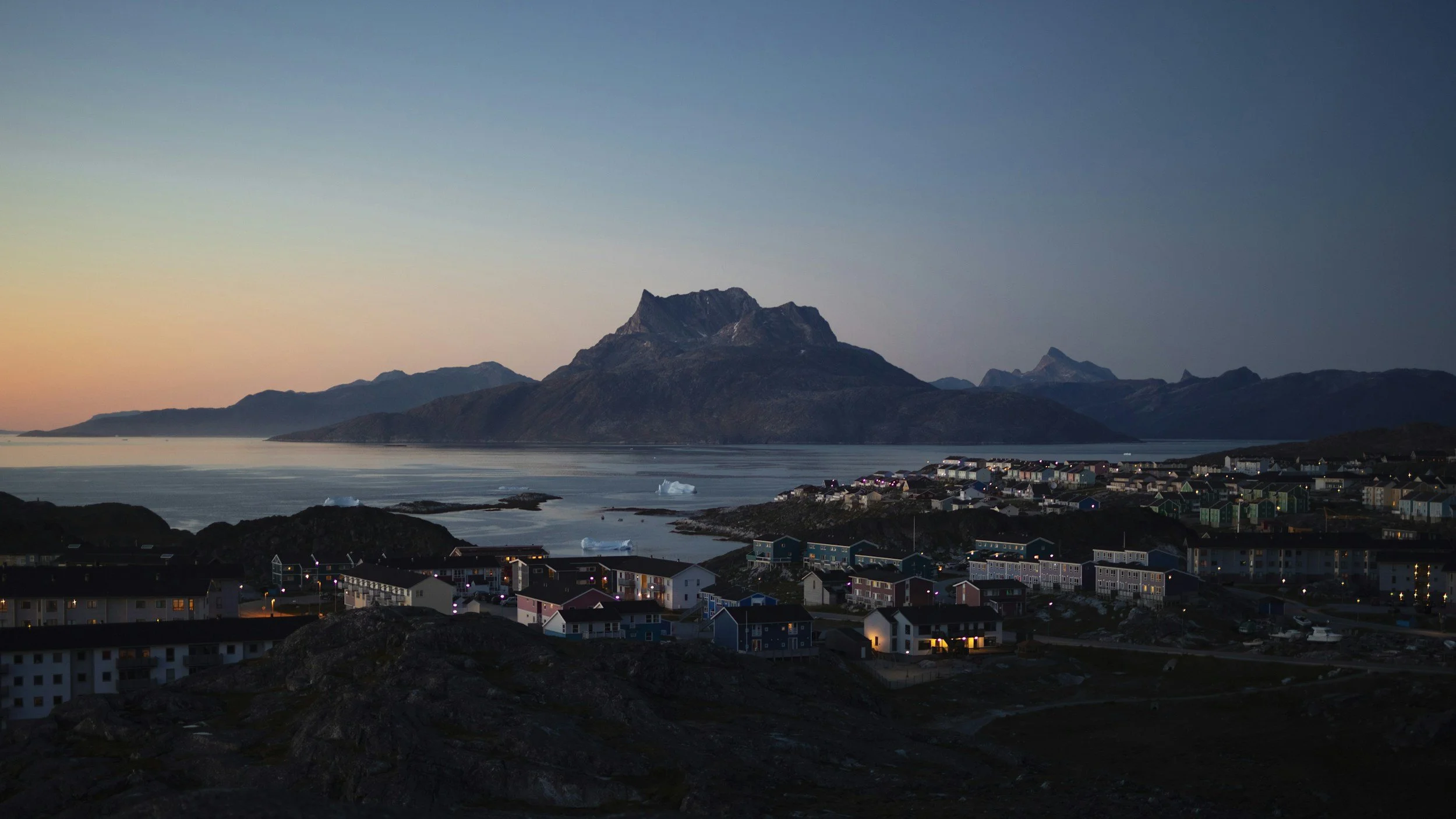
This week I am in Nuuk, the capital of Greenland, reviewing the office and wider real estate market.
Nuuk is a very small capital (around 20,000 people), and this is reflected in its office market. Supply is extremely limited, with only a handful of purpose-built office buildings. Most space is government-occupied, owner-occupied, or within mixed-use buildings.
As a result, the leasing market is exceptionally thin. Vacancy is effectively zero, and space is rarely openly marketed. Demand from government, professional services, and international entrants exceeds the limited stock, meaning the market is effectively fully occupied.
Prime office rents are in the order of DKK 2,700–3,000 per sq m per annum )pricing is in Danish Krone), although evidence is limited. The investment market is equally constrained. Transactions are rare and typically involve domestic investors, reflecting ownership restrictions.
The apartment market is more active, driven by population growth and a shortage of modern housing. However, sales have slowed following the removal of subsidised financing, with purchasers now reliant on conventional lending. In parallel, the rental market has strengthened, and there is some overlap between residential and office use given the broader supply constraints.
It is important to note that all land in Greenland is publicly owned. Property ownership relates to buildings and rights to use land, rather than freehold title.
Eligibility is generally limited to Danish/Icelandic/Greenlandic entities or those with an established tax presence, with foreign buyers requiring approval.
There has been a recent tightening in the approach to foreign investment following increased overseas interest. The direction of travel is toward greater scrutiny rather
than restriction, balancing the need for external capital with protection of local supply.
Overall, Nuuk is a highly supply-constrained and tightly controlled market, withlimited availability and little speculative development.